Goose Fat Yorkshire Puddings
Massive homemade Yorkshire puddings cooked in goose fat for extra flavour. This foolproof method guarantees crisp & tall puddings every time.

This easy recipe guarantees perfectly tall Yorkshire puddings that are crispy & golden brown all over. They’re perfect for any roast dinner & are just as good as any restaurant’s. Plus, they are made with an equal volume batter so prep is super simple.
Using goose fat is the key to making the very best Yorkshire puddings at home, with loads of flavour, the crispiest outside and a tender, custardy inside. The fat’s used exactly the same way as regular oil and as long as you get it smoking hot before pouring in the batter, you can’t go wrong.
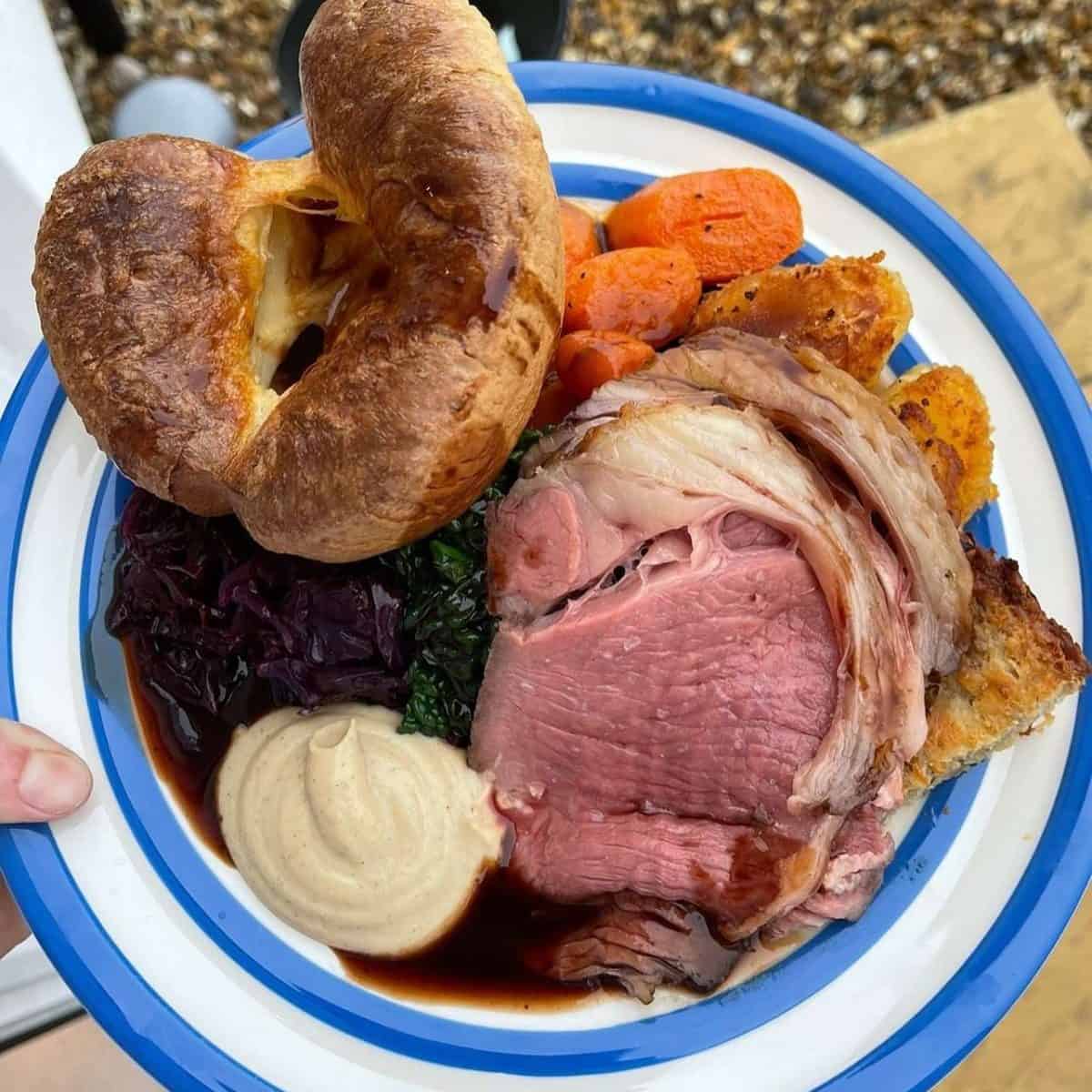
Complete your roast dinner with some tender roast beef, pork, lamb or chicken! And for more roast dinner side dishes, check out our collection of easy sides. Here you’ll find honey roasted veg, cauliflower cheese, homemade gravy, sauces & more.
Why This Recipe Works
Making Yorkshire puddings that rise properly comes down to using a few key techniques. Here’s why this recipe works so well & delivers consistent results.
- Consistently Tall Puddings
The combination of using goose fat & cooking the batter in a deep tin creates tall Yorkshire puddings every time you make them. - Easy To Make Batter
This batter is made with equal amounts (by volume) of flour, eggs & liquid which makes it incredibly easy to make. There’s no weighing out involved! - Goose Fat For Extra Flavour
Using goose fat adds more flavour to the puddings compared to just using vegetable oil. - Resting Step To Improve Texture
The batter is rested overnight which improves the texture & flavour of the Yorkshire puddings. This means that you can make it ahead of time.
Ingredients For Goose Fat Yorkshire Puddings
- 6 Hole Yorkshire Pudding Tin – Use a deep tin, to make the tallest Yorkshire puddings. You can use a purpose made Yorkshire pudding tin or use a deep muffin tin. The tin that I use has holes that are 10cm wide & 4cm tall.
- Goose Fat – Adds a rich, savoury flavour to the puddings whilst helping them rise taller, due to its higher smoke point. Goose fat can be substituted for duck fat or use just vegetable oil to keep them vegetarian. You can buy goose fat in most supermarkets or butcher’s shops.
- Vegetable Oil – Used alongside the goose fat, to cut down on costs. You still get crisp, tall puddings but use less expensive goose fat.
- Eggs – You’ll need 5 large eggs for this recipe, which will make enough batter for 6 large Yorkshire puddings. See the guide below to adjust quantities for different batch sizes.
- Milk – You can use either whole or semi skimmed milk for the batter. They’ll both make tall Yorkshire puddings but ones made with semi skimmed milk will be slightly lighter & crisper due to the lower fat content.
- Water – Using 2 parts milk to 1 part cold water (2:1 ratio) in our batter, gives our Yorkshire puddings a lighter texture & more height.
- Plain Flour – Make sure to use plain/all purpose flour for your batter. You won’t get the same results with different types of flour so this is key.
How To Make Goose Fat Yorkshire Puddings
Here’s a step by step guide on making proper homemade Yorkshire puddings. This includes making the batter, resting & the best way to bake for optimum rise. It’s a 3 stage process; making the batter, resting it overnight then baking.
Equal Quantity Batter
To make Yorkshire pudding batter, we don’t weigh out each ingredient. Instead, we measure each ingredient to an equal volume. The amount of flour & liquid is based on the volume of eggs.
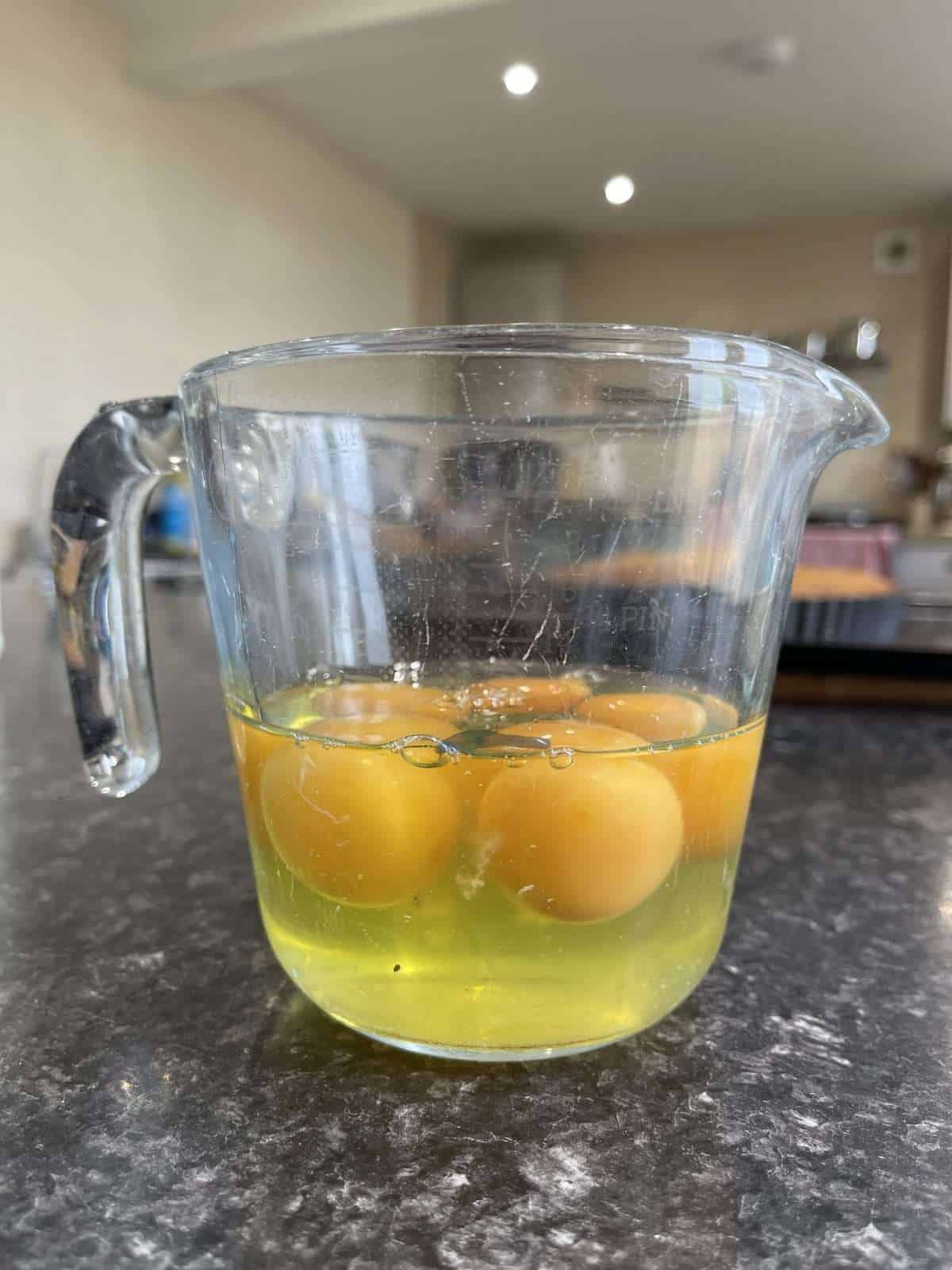
- Crack your eggs into a measuring jug & use a pen to mark when they come up to on the side.
- Pour the eggs into a mixing bowl then fill the jug up to the line with milk & water (we’re using 2 parts milk & 1 part water). Pour the liquid into the eggs.
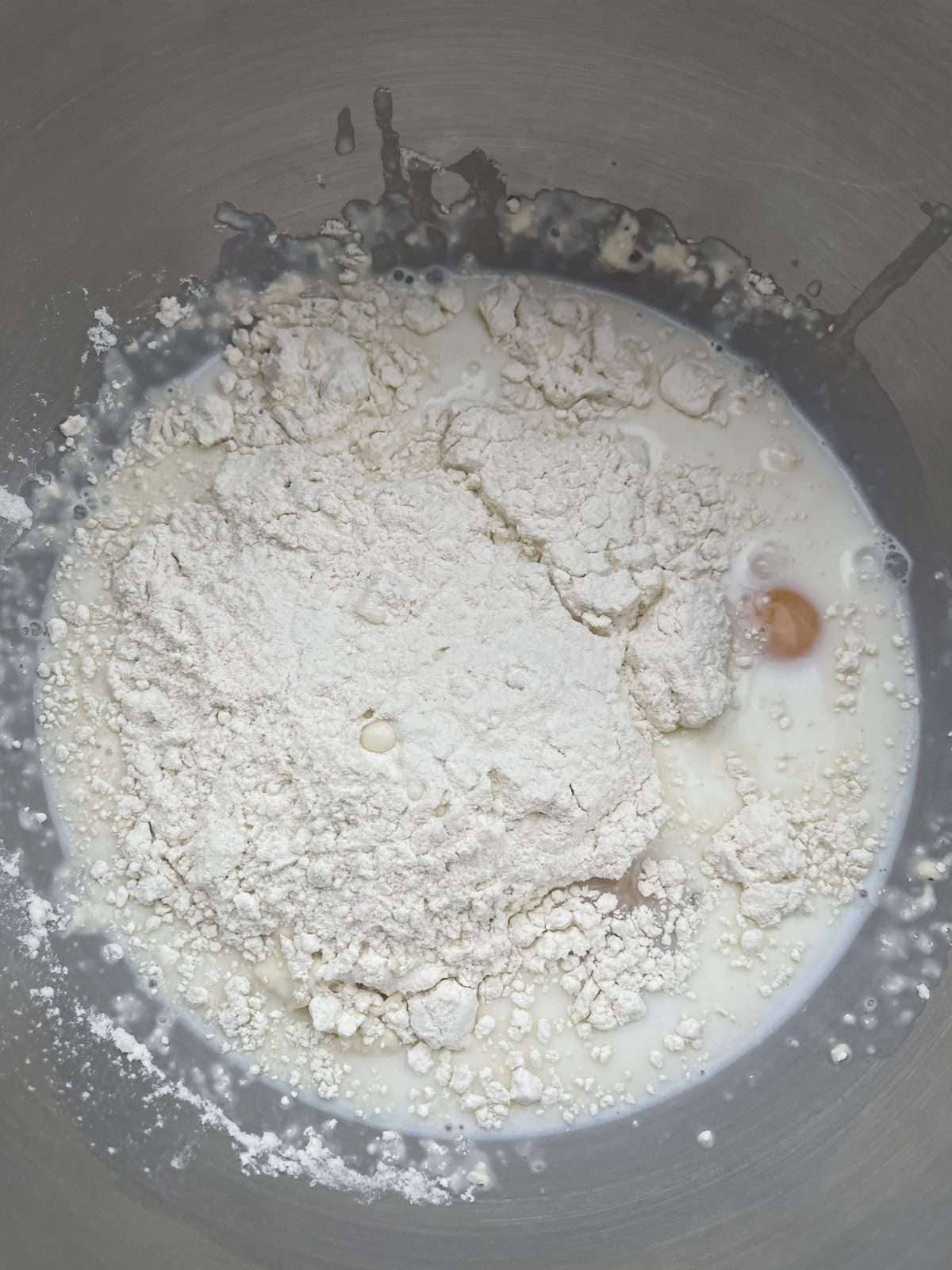
- Next, fill the jug up to the line with plain flour then add into the eggs & milk.
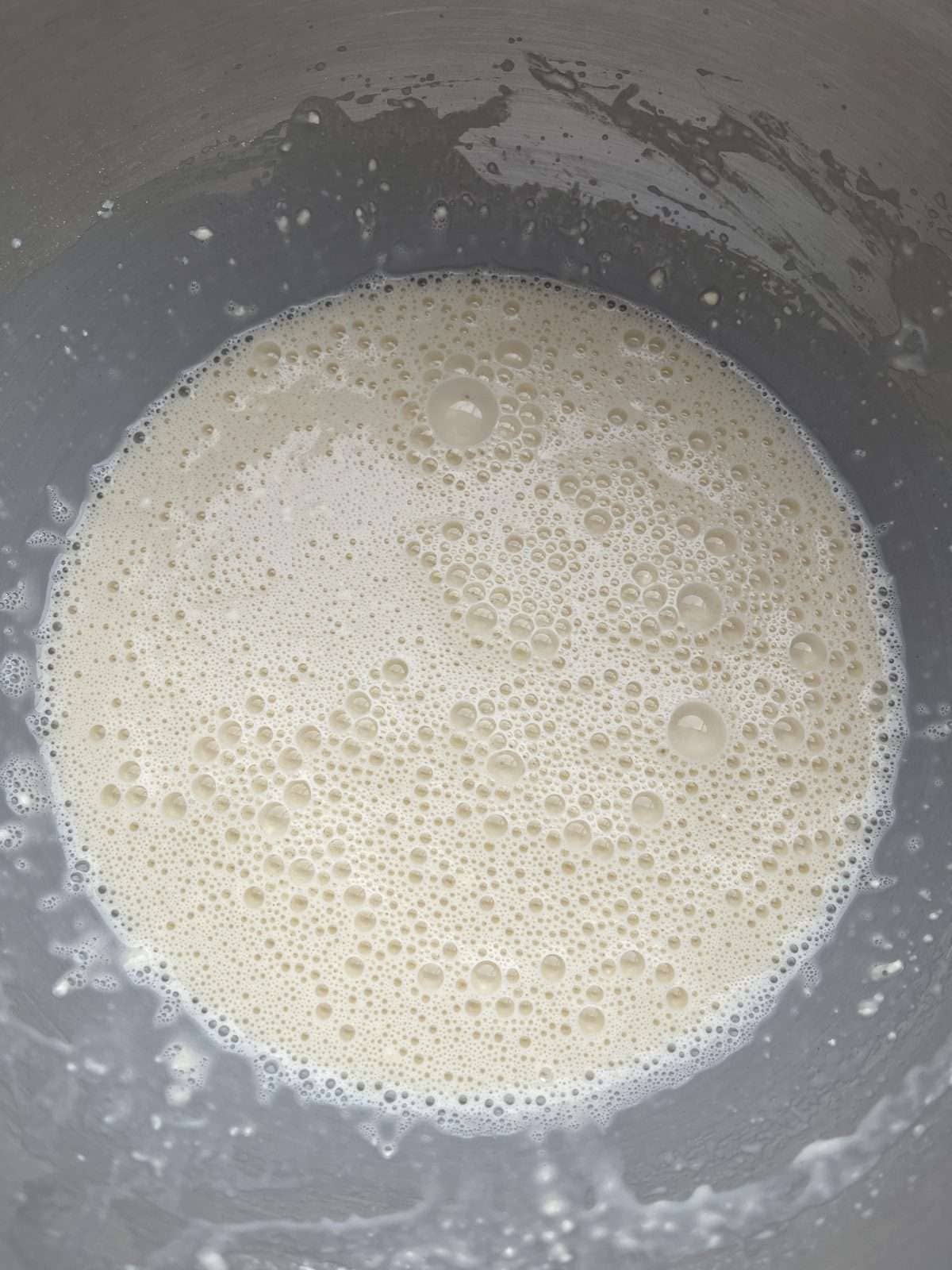
- Mix the batter with an electric hand whisk (or by hand) until smooth & combined.
- Pass the batter into a container, through a sieve then cover with clingfilm & leave to rest in the fridge overnight.
Cooking The Yorkshire Puddings
For the best results, the batter should be cooked the following day, after an overnight rest in the fridge! This helps the puddings rise higher & improves their flavour & texture.
When making a roast dinner, I like to cook my Yorkshire puddings before the rest of the veg/sides when the oven is hottest. When you pour hot gravy over the puddings, they will heat back up or you can give them a minute or two in the oven to warm through.
- Preheat an oven to 220°c/428°f, making sure to give your oven plenty of time to heat up.
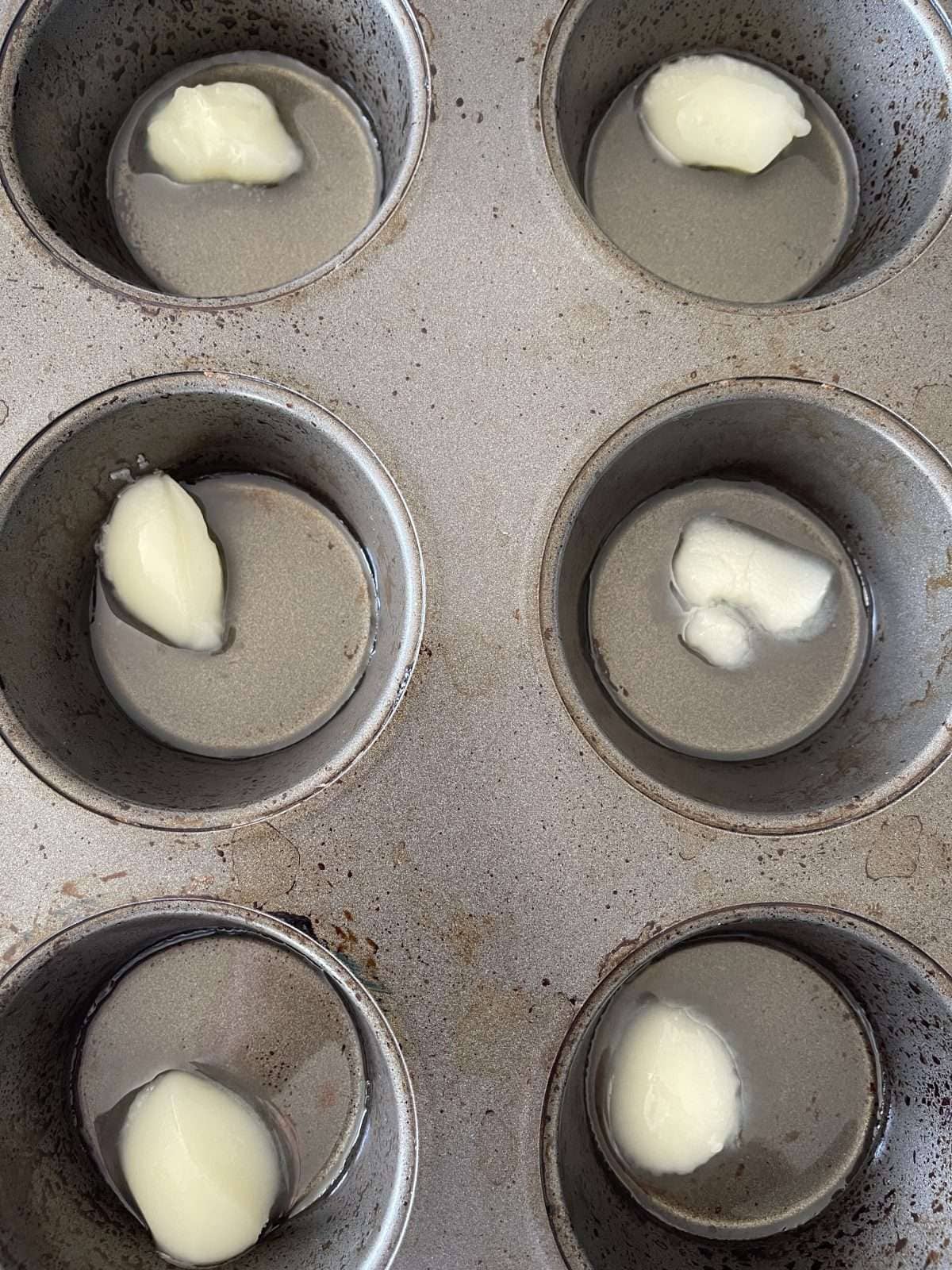
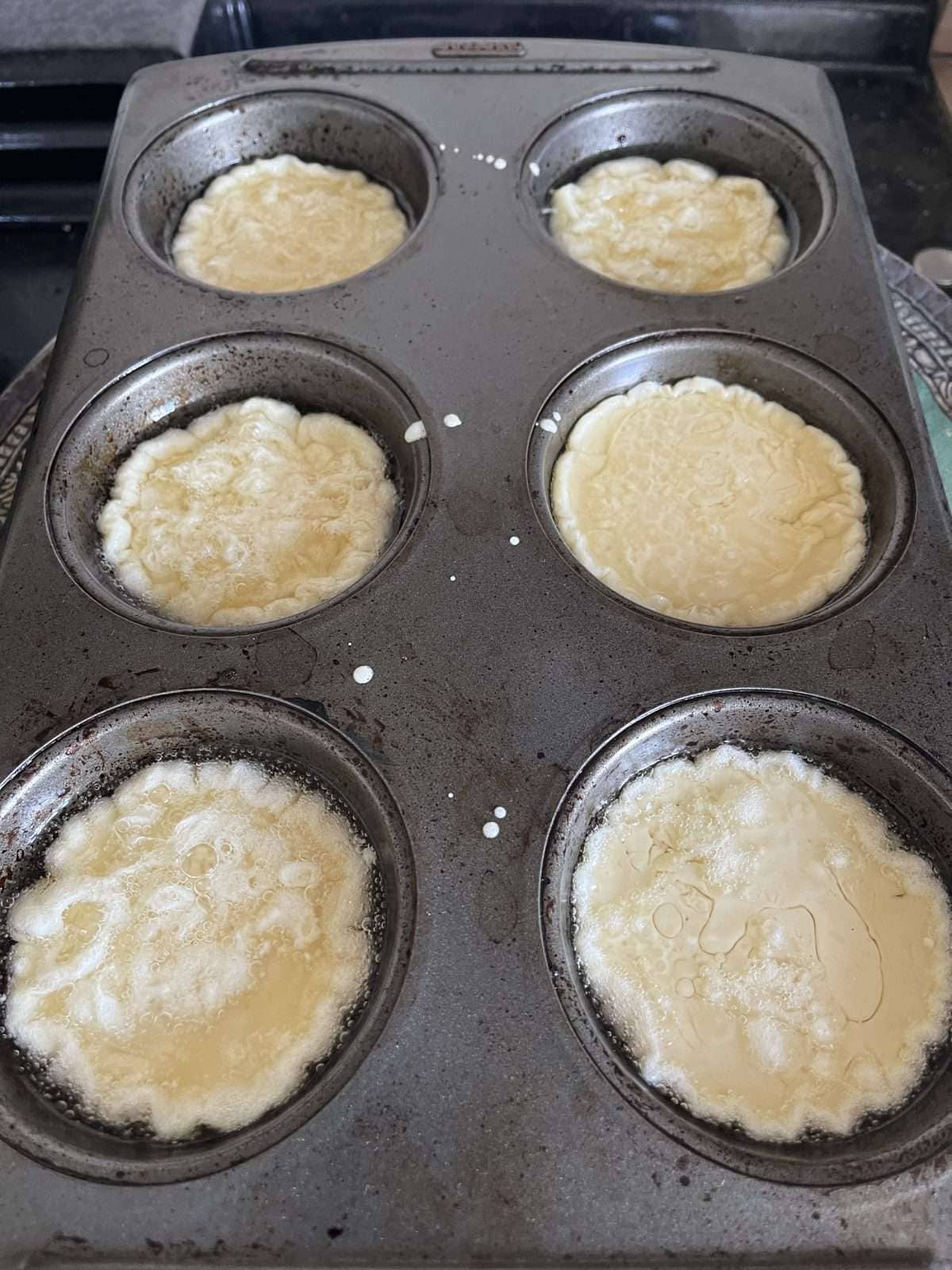
- Place a teaspoon of goose fat & a teaspoon of veg oil into each hole of the muffin tin then place into the oven & leave to heat up for at least 30 minutes. The fat should be smoking hot before you pour in the batter.
- Once the oil is hot, carefully remove the tin from the oven & fill each hole 2 thirds of the way up with batter. Be careful not to overfill the tin as this can cause the puddings to sink.
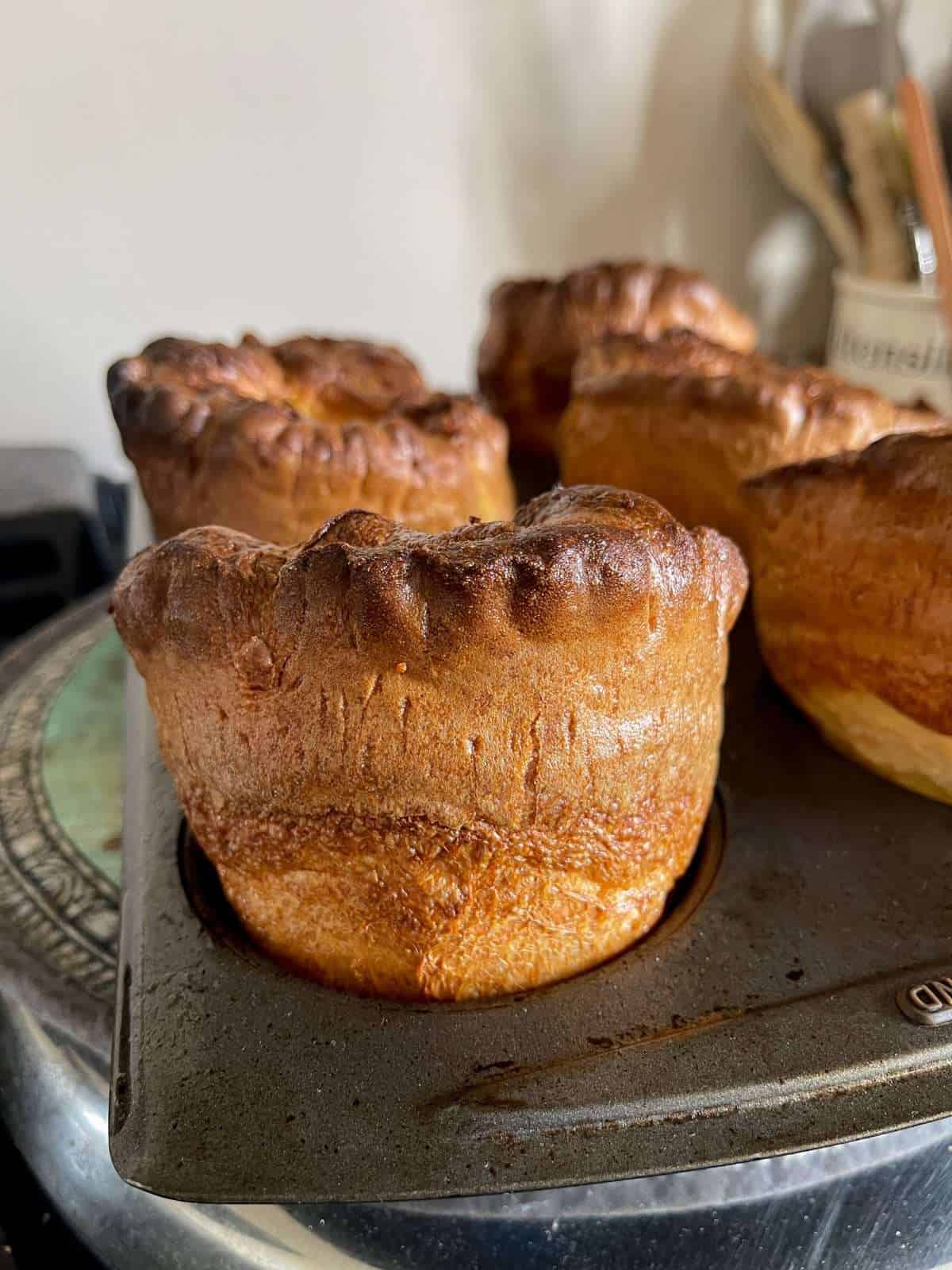
- Cook the puddings for 25-30 minutes, until well risen & a deep golden brown.
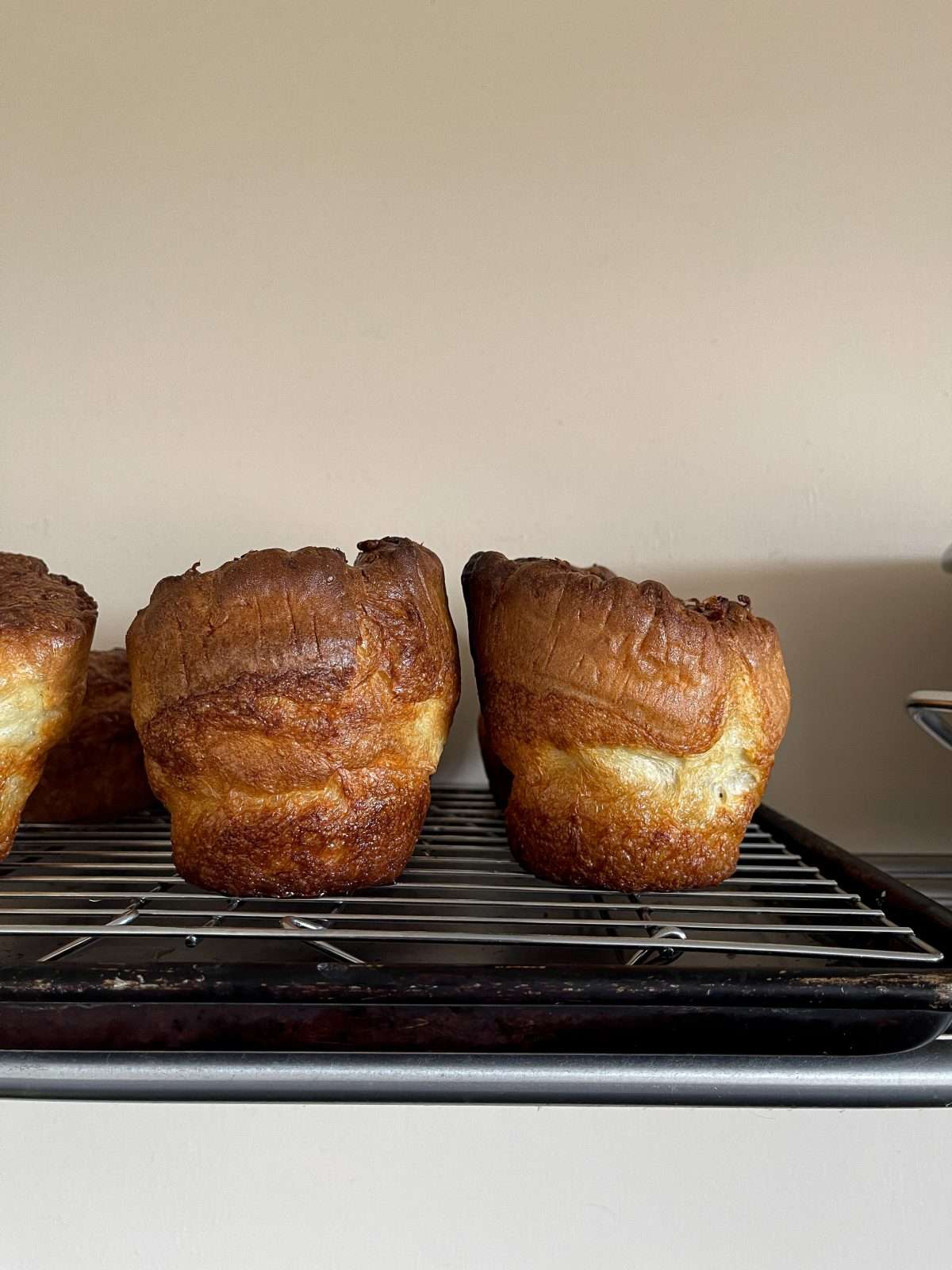
- Once cooked, carefully take the puddings out of the tin & transfer to a wire rack (or serve immediately!). The airflow around the puddings keeps them crisp!
Yorkshire Pudding Batter Quantities (Scaling Guide)
As the amount of flour & liquid used in Yorkshire pudding batter is based on the number of eggs, how many eggs you use will dictate how many puddings your batter will make. Obviously this also depends on what size tin is used but use this table as a rough guide for making tall puddings in a deep tin.
The method for making the batter is the same no matter how many eggs you use! Although you’ll need to cook the puddings in batches if you only have 1 tin or a smaller oven.
| Number Of Large Eggs In The Batter | Number Of Yorkshire Puddings |
| 3 Eggs | 4 Puddings |
| 5 Eggs | 6 Puddings |
| 7 Eggs | 8 Puddings |
| 8 Eggs | 10 Puddings |
| 10 Eggs | 12 Puddings |
Yorkshire Pudding Batter Ratio
The best Yorkshire pudding batter uses equal parts eggs, liquid and flour by volume. For best results, use a mix of milk and water (2:1 ratio) for a lighter, taller pudding. For softer, denser puddings use just milk (no water!).
Tips & Tricks For Massive Yorkshire Puddings!
- 2:1 Milk & Water In Batter
Use 2 parts milk & 1 part cold water in the batter, for lighter puddings. - Rest The Batter
Rest your batter in the fridge overnight, for a deeper flavour & the best amount of rise. - Smoking Hot Fat
Get both your tin & fat smoking hot before pouring in the batter. This is key to making well risen Yorkshire puddings. - Don’t Overfill The Tin
Don’t overfill the tin with batter, as this can cause the puddings to sink. Filling each hole two thirds full with batter is best. - Work Quickly
Work quickly when pouring the batter into your tin. We don’t want the fat to lose any heat! - Don’t Open The Oven Too Early
Don’t open your oven door for at least 25 minutes, to prevent the puddings from sinking.
Troubleshooting Yorkshire Puddings
Here’s some common issues people face when making Yorkshire puddings & how to avoid them.
Why Did My Yorkshire Puddings Sink?
Yorkshire puddings will sink if you open your oven door too early due to the sudden change in temperature.
To avoid collapsed Yorkshire puddings, make sure to let them cook until they’re well risen & a deep golden brown. If your oven hasn’t got a glass door & you can’t see in, cook the puddings for at least 25 minutes before checking them.
Why Are My Yorkshire Puddings Soggy?
If your Yorkshire puddings are soggy, you haven’t cooked them for long enough, the fat wasn’t hot enough or your oven wasn’t preheated properly.
To avoid soggy puddings, make sure to preheat the oven & fat properly and cook the puddings until they are crisp all over.
My Yorkshire Puddings Burnt Before They Were Cooked
Your oven was too hot. Make sure to accurately preheat your oven, using a thermometer if you’ve got one. If your oven has an element on the top, you may need to cook the puddings on a lower shelf.
My Yorkshire Puddings Didn’t Rise
Flat Yorkshire puddings are often caused by not resting the batter, if the fat wasn’t hot enough of if the tin was overfilled with batter.
To avoid un risen Yorkshire puddings, make sure to rest the batter for at least a few hours (overnight is best), preheat the fat until it’s smoking hot and only fill the tin up 2 thirds of the way full with batter.
My Yorkshire Puddings Stuck To The Tin
Yorkshire puddings can stick to the tin if the fat wasn’t hot enough, if the oven wasn’t preheated properly or if you didn’t cook the puddings for long enough.
To prevent Yorkshire puddings from sticking to the tin, make sure preheat the oven properly, let the tin & fat heat up before pouring in the batter & let the puddings rise & turn golden brown before taking them out of the oven.
Why Do My Yorkshire Puddings Taste Bland?
Your batter wasn’t seasoned with salt & pepper (or not enough!). Make sure to season the batter generously but only just before cooking, as the salt will start to break down the eggs if you season in advance. This will affect how the puddings rise in the oven.
Frequently Asked Questions
To make tall Yorkshire puddings, you’ll need to use a deep Yorkshire pudding tin. For the best results, use a tin with holes that are roughly 10 cm wide and 4 cm deep.
Leftover Yorkshire puddings should be stored in the fridge, where they will keep for up to 3 days. They can be reheated in the oven or in a microwave – they won’t take long to heat up!
Yes, Yorkshire puddings can be frozen & will keep for up to 3 months in the freezer. Make sure to store them in an airtight container or wrapped in clingfilm to avoid freezer burn. You’ll need to defrost the puddings fully before reheating.
I wouldn’t recommend it! Resting your batter is key to making Yorkshire puddings with a well developed flavour, a light texture & the best amount of rise in the oven. Ideally, you should give your batter an overnight rest in the fridge but if you’re short on time, a 1 hour rest at room temperature will work as well.
You should season your batter with salt & pepper after it has rested, just before cooking. If you season the batter at the same time as mixing it, the eggs will start to break down as the batter rests, which means that the puddings won’t rise properly.
To cook Yorkshire puddings in an Aga, cook them on a grid shelf placed onto the floor of the roasting oven.
More Roast Dinner Recipes To Try!
- Slow Roasted Sirloin Of Beef
- Slow Roasted Pork Shoulder (With Crackling!)
- Foolproof Roast Chicken (Slow Roasted)
- Red Wine Gravy
- Roasted Broccoli & Cauliflower Cheese
- Goose Fat Roast Potatoes
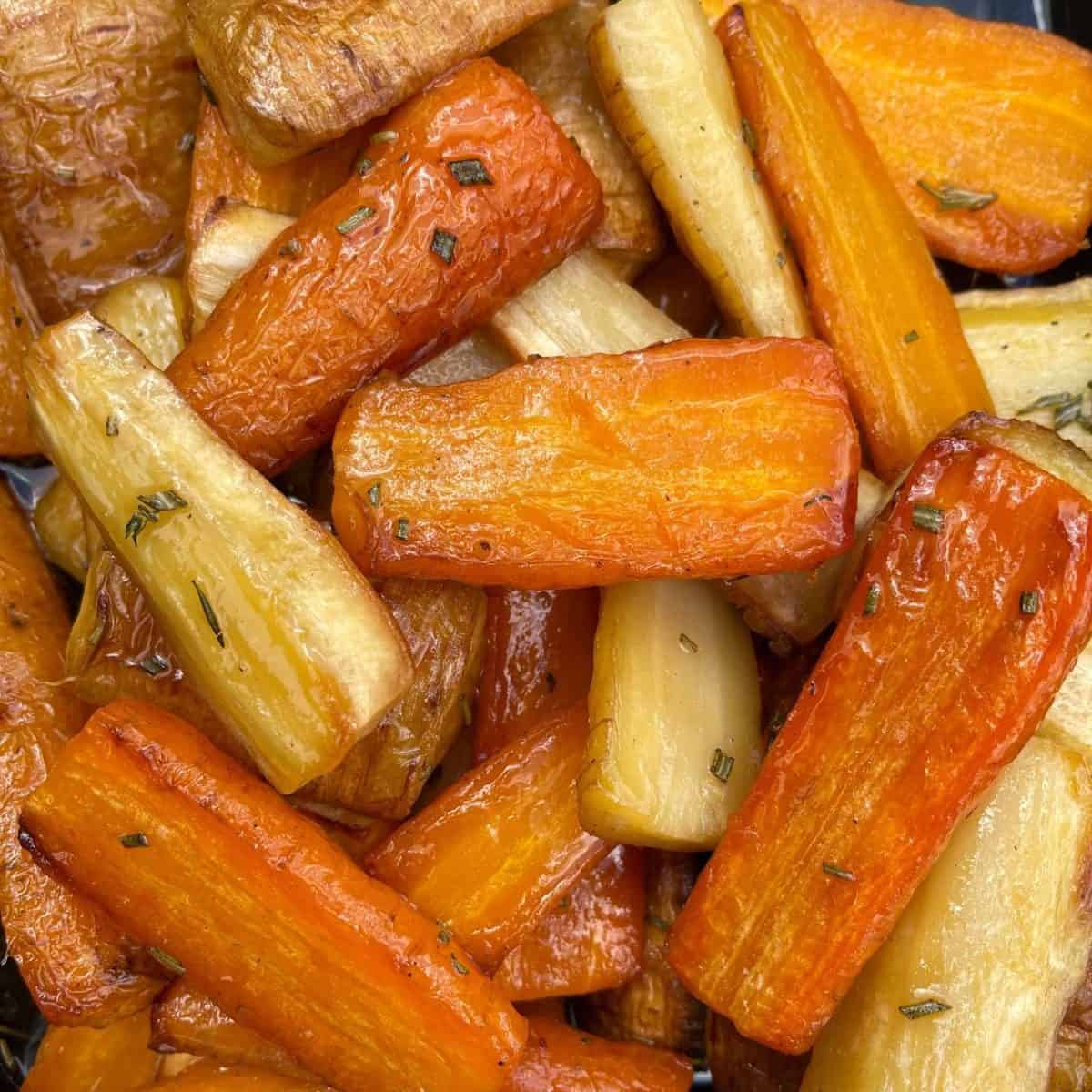
- Honey Roasted Carrots & Parsnips
Watch How To Make This Recipe
If you have enjoyed this Yorkshire pudding recipe, it would mean a lot if you could leave a review & rating. And if you’d like to stay up to date with future recipes, follow us on Instagram & TikTok or subscribe to our newsletter!
Goose Fat Yorkshire Puddings
Equipment
- Deep Yorkshire Pudding Tin With 6 Holes
- Electric Hand Whisk
- Mixing Bowl
- Sieve
- Measuring Jug
Ingredients
- 5 Large Eggs
- Semi Skimmed Milk
- Cold Water
- Plain Flour
To Cook
- 6 tsp Goose Fat
- 6 tsp Vegetable Oil
Instructions
Yorkshire Pudding Batter
- First crack the eggs into a jug & mark what the volume is. Then transfer the eggs into a large mixing bowl.
- Next, fill the jug up with the same volume of liquid – use 2 parts milk & 1 part cold water. Add this to the eggs.
- Next measure out the same volume of flour & add to the eggs, milk & water.
- Using a handheld electric mixer (or a regular whisk), mix the batter until combined & smooth. Pass the batter through a sieve into a container, cover with clingfilm & leave in the fridge overnight.
- The next day, season the batter with a pinch of table salt & freshly cracked black pepper. Whisk to combine & leave at room temperature for at least an hour. If the batter is a bit thick, thin it out with a splash of water (the batter should have the consistency of single cream).
Cooking
- Preheat an oven to 220°c/200°c fan (428°f/392°f).
- Place a teaspoon of goose fat & a teaspoon of veg oil into each hole of the muffin tin & place into the oven to heat up for at least 30 minutes.
- Once the fat is hot, carefully remove the tin from the oven & fill each hole 2 thirds of the way up with batter. Cook the puddings for 25-30 minutes, until well risen & a deep golden brown.
- Once cooked, take your puddings out of the tin & transfer to a wire cooling rack or serve immediately. This stops them going soggy!
Salt Butter Smoke Magazine
Food that’s made for sharing.
The Christmas 2026 issue features 30 festive recipes, Christmas cooking guides, beautiful food photography and features on everything from the perfect cheeseboard to the art of trifle.
Discover the Christmas Issue →Notes
Enjoying This Recipe?
The Prep List is my free weekly newsletter with seasonal recipes, kitchen notes and behind-the-scenes from my kitchen. Add Salt Butter Smoke as a Google Preferred Source to see more of my recipes in Search.